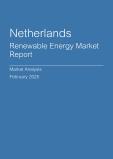
Executive Summary: Renewable Energy in Netherlands - Q4 2024
Overview of the Renewable Energy Market in the Netherlands
The fourth quarter of 2024 has been a transformative period for the renewable energy sector in the Netherlands. Major advancements in offshore wind and solar energy projects, coupled with strategic investments in energy storage innovations, have significantly bolstered the country's renewable energy infrastructure.
Offshore Wind Energy Expansion
The Netherlands continues to be a pioneer in offshore wind energy, driven by projects like the OranjeWind and Hollandse Kust Zuid. These initiatives are critical in advancing the Netherlands' goal of generating 70% of its electricity from renewable sources by 2030. The strategic collaborations with international partners in these projects highlight the country's leadership in the European renewable energy landscape.
Solar Energy Developments
Solar energy has seen substantial growth, with high-powered solar panel deployments and the development of large-scale solar farms, such as the 96 MWp project by Ampyr Solar Europe. These developments are crucial for meeting urban energy demands and reducing carbon emissions, aligning with national sustainability targets.
Innovations in Energy Storage
The construction of the Dordrecht Battery Energy Storage System (BESS), the largest in the country, exemplifies the Netherlands' commitment to enhancing grid stability and integrating more renewable energy sources. This strategic focus on energy storage is pivotal for balancing the intermittent nature of solar and wind energy.
Hydrogen Energy Initiatives
The development of a liquid hydrogen corridor between Norway and the Netherlands marks a significant step in diversifying the renewable energy portfolio. This project positions the Netherlands as a future hub for hydrogen energy in Europe, supporting the transition to sustainable energy sources.
Consumer Adoption and Regulatory Changes
There is a notable increase in consumer adoption of renewable technologies, driven by government incentives and strategic initiatives. The phased removal of net metering by 2027 is expected to further encourage self-consumption of solar energy and investment in energy-efficient appliances.
Impacts of Economic and Geopolitical Factors
Despite global economic challenges and geopolitical tensions, the renewable energy sector in the Netherlands remains resilient. The stable inflation rate has supported consumer purchasing power, while strategic foreign direct investments continue to drive sector growth. Geopolitical factors, such as Middle East conflicts, have reinforced the urgency for renewable energy adoption, highlighting the Netherlands' strategic focus on energy security and sustainability.
Competitive Landscape and Strategic Initiatives
Key players in the Dutch renewable energy market, including Royal Dutch Shell, Vattenfall, Ørsted, Enel, and Eneco, have deployed strategic expansions and partnerships. These efforts are aimed at enhancing renewable energy capabilities and navigating regulatory and market challenges. Notable projects include Shell's investments in renewable power generation, Vattenfall's involvement in the Hollandse Kust Zuid wind farm, and Eneco's partnerships in green hydrogen and shore power initiatives.
Questions Addressed in the Report
- What are the key developments in the renewable energy sector in the Netherlands during Q4 2024?
- How are offshore wind and solar energy projects impacting the Dutch renewable energy landscape?
- What role do energy storage innovations play in advancing renewable energy integration?
- How are consumer adoption trends and regulatory changes shaping the future of renewable energy in the Netherlands?
- What economic and geopolitical factors are influencing the renewable energy market?
- How are major energy companies strategizing to enhance their presence in the Dutch renewable energy sector?