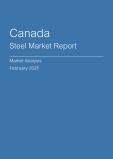
Executive Summary: Canada Steel Market Report - Q4 2024
The Canada steel market in Q4 2024 is navigating a complex landscape driven by a combination of evolving global trade policies, technological advancements, and industry-specific trends. This period has been marked by significant strategic shifts among key players, with a focus on enhancing competitiveness through innovation and sustainability.
Impact of Global Trade Policies on Steel Canada
The potential reintroduction of U.S. tariffs, following geopolitical shifts, presents significant challenges for the Canadian steel market, heavily reliant on exports to the United States. This has prompted Canadian steel manufacturers to diversify into European and Asian markets and invest in advanced technologies to enhance global competitiveness. The acquisition of Stelco Holdings Inc. by Cleveland-Cliffs is a strategic consolidation move aimed at mitigating trade-related risks and bolstering market positions.
Technological Advancements and Sustainable Steel Production
In Q4 2024, technological innovations are a key focus for the Canadian steel industry, with companies like Algoma Steel Group transitioning to Electric Arc Furnace (EAF) technology to produce 'green steel.' This shift not only reduces carbon emissions but also aligns with global trends towards sustainability in steel manufacturing. The Crawford Nickel Sulphide Project by Canada Nickel Company further underscores the industry's commitment to sustainability and operational efficiency, aiming to meet the growing demand in the electric vehicle market.
Sectoral Influences on Steel Consumption and Market Dynamics
The Canadian automotive sector, particularly the electric vehicle (EV) segment, continues to drive demand for high-strength steel, essential for improving vehicle safety and efficiency. Concurrently, the construction industry remains a vital consumer of steel, with ongoing residential and infrastructure projects in metropolitan areas like Toronto and Vancouver sustaining high steel consumption.
Monetary Policy and Economic Context Impacting Steel Pricing and Trade
The Bank of Canada's decision to cut interest rates to 3.75% has lowered borrowing costs, potentially fostering increased investment in the steel sector. However, the depreciation of the Canadian dollar, while boosting export competitiveness, has increased the cost of imported raw materials, influencing steel pricing and production costs. Rising unemployment and economic uncertainties continue to pose challenges to domestic steel demand.
Strategic Developments and Competitive Landscape
Key players in the Canadian steel industry are focusing on strategic partnerships and acquisitions to enhance operational capabilities and market reach. Companies like Nucor Corporation and Gerdau S.A. are investing in sustainable practices and expanding their presence in high-growth markets. Stelco Holdings Inc.’s acquisition by Cleveland-Cliffs positions it for enhanced market reach and operational synergies, highlighting the importance of strategic consolidation in the face of economic and regulatory challenges.
Questions Addressed in the Report
- How are global trade policies affecting the steel market in Canada?
- What technological advancements are Canadian steel manufacturers adopting for sustainable production?
- Which sectors are driving steel consumption in Canada, and how are they influencing market dynamics?
- What impact do monetary policy changes have on steel pricing and trade competitiveness?
- How are key industry players strategizing to maintain competitiveness in the Canadian steel market?
By addressing these questions, the report provides a comprehensive analysis of the Canadian steel market in Q4 2024, focusing on the interplay between trade policies, technological innovations, sectoral demands, and strategic industry developments.