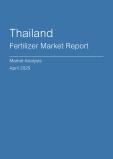
Executive Summary: Fertilizer Market in Thailand Q1 2025
In the first quarter of 2025, the fertilizer market in Thailand is shaped by a complex interplay of local and global economic factors, regulatory changes, and evolving consumer preferences. The Bank of Thailand's policy rate cut to 2% in February has provided a more favorable borrowing environment for farmers, aiding access to financing for fertilizer purchases. This monetary adjustment is crucial given the high household debt levels, which remain a barrier to investment in fertilizers despite lower interest rates.
Key Market Dynamics: Chemical, Organic, and Biofertilizers
The demand for fertilizers in Thailand, particularly nitrogen, phosphate, and potash fertilizers, is witnessing a steady increase. This growth is driven by the need for enhanced agricultural yields to support robust export growth, which saw a 14% year-on-year increase in February 2025. As global economic conditions evolve, the market for chemical fertilizers faces uncertainties due to potential U.S. trade policy changes and supply chain disruptions.
Organic and biofertilizers are gaining traction in Thailand, spurred by consumer preferences for sustainable products and government incentives promoting organic farming. These segments are expected to expand further as farmers increasingly adopt environmentally friendly practices, supported by ongoing innovations in biofertilizer technology.
Technological Advancements and Innovation
Technological advancements are significantly impacting the fertilizer market in Thailand. Innovations such as slow-release and specialty fertilizers are improving nutrient use efficiency and reducing environmental impact. The integration of precision agriculture tools, including soil sensors and drone technology, is enhancing operational efficiencies and optimizing fertilizer application.
Regulatory Environment and Strategic Initiatives
The Thai government is actively implementing policies to encourage sustainable agricultural practices. Stricter regulations on the use of synthetic fertilizers aim to reduce environmental harm and promote organic alternatives. These regulatory changes are expected to reshape the market dynamics, influencing production practices and import strategies.
Increased foreign direct investment and investments in technological infrastructure are enhancing fertilizer distribution networks and market efficiencies. These developments are crucial for ensuring the timely delivery of fertilizers across Thailand's agricultural regions.
Competitive Landscape: Key Players and Market Positioning
The competitive landscape of the Thai fertilizer market is marked by a mix of financial strain and strategic advancements among key players. Companies like Thai Central Chemical Public Company Limited and PTT Global Chemical Public Company Limited are focusing on operational improvements and international expansions. Meanwhile, Yara International ASA and Nutrien Ltd. are leveraging innovations in sustainability and advanced fertilizer solutions to strengthen their market positions.
Questions this Report Aims to Answer
- How are global economic conditions affecting the fertilizer market in Thailand?
- What are the impacts of the Thai government's policy rate cut on fertilizer investments?
- How are rising consumer preferences for sustainability influencing the demand for organic and biofertilizers?
- What technological advancements are driving efficiency in the fertilizer market?
- How are regulatory changes impacting the production and use of chemical fertilizers in Thailand?
- What strategic initiatives are key players undertaking to enhance their market position in Thailand?
- How is the export growth influencing fertilizer demand and agricultural productivity in Thailand?