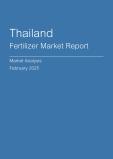
Executive Summary: Fertilizer Market in Thailand - 2024 Q4
The fertilizer market in Thailand during the fourth quarter of 2024 is characterized by dynamic shifts towards sustainable practices, driven by both technological advancements and regulatory frameworks. As Thailand continues to stabilize its fertilizer import market at approximately $1.72 billion, the country is witnessing a steady rise in fertilizer consumption, projected to increase from 143.33 kilograms per hectare in 2024 to 150.85 kilograms by 2028. This growth is largely influenced by the increasing adoption of organic fertilizers, alongside a notable shift in farmer preferences towards sustainable agricultural inputs.
Key Trends in Fertilizer Market Dynamics
- The demand for organic fertilizers is on the rise, supported by government policies promoting sustainable agricultural practices. By Q4 2024, eco-friendly fertilizers have captured 27.2% of the market, a testament to the growing shift towards environmentally sustainable agricultural solutions.
- The inorganic fertilizer market faces challenges due to cost pressures and regulatory constraints, prompting producers to innovate and diversify their product offerings.
- Technological advancements, such as precision agriculture, have increased to an adoption rate of 18.5% in Q4 2024, enhancing the efficiency of fertilizer application and reducing environmental impact.
- Sustained economic growth and favorable trade agreements, such as the Free Trade Agreement with the European Free Trade Association (EFTA), are expected to boost Thailand's fertilizer market competitiveness globally.
Economic Influences on Fertilizer Usage
The reduction in interest rates by the Bank of Thailand from 2.5% to 2.25% is anticipated to lower borrowing costs for farmers, potentially increasing investment in fertilizers. This monetary policy shift, coupled with government stimulus measures, is expected to drive economic growth over 3% in 2025, positively impacting fertilizer demand.
Challenges and Opportunities in the Fertilizer Sector
- High household debt levels, standing at 89.6% of GDP, present financial challenges that could constrain agricultural spending.
- Inflationary pressures, particularly from rising energy and food prices, may affect fertilizer costs, although the Bank of Thailand's interest rate cuts aim to mitigate these effects.
- International trade policies and potential tariffs pose risks to export competitiveness, necessitating market diversification and strategic innovations.
Competitive Landscape of Thailand's Fertilizer Market
The competitive landscape is shaped by major players such as Thai Central Chemical, The Mosaic Company, Yara International ASA, and Nutrien Ltd., each navigating the market with distinct strengths and strategic focuses.
- Thai Central Chemical shows strong domestic performance with opportunities for international expansion and enhanced product offerings.
- The Mosaic Company faces revenue challenges but is leveraging strategic partnerships to maintain its market presence.
- Yara International focuses on sustainability and innovation, with opportunities for growth in the global urea market.
- Nutrien Ltd. is committed to sustainability despite financial pressures, exploring international expansions to strengthen its market position.
Questions Addressed by the Report
- What are the current trends and future projections for fertilizer consumption in Thailand?
- How are technological advancements influencing fertilizer market dynamics in Thailand?
- What are the regulatory and economic factors impacting the fertilizer market in Q4 2024?
- How do major competitors in the Thai fertilizer market position themselves strategically?
- What is the impact of global trade policies and economic conditions on Thailand's fertilizer exports?
This comprehensive analysis provides insights into the evolving landscape of the fertilizer industry in Thailand, highlighting key trends, economic influences, and competitive strategies that are shaping the market in 2024 Q4.