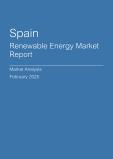
Executive Summary: Spain Renewable Energy Market Report - Q4 2024
The fourth quarter of 2024 marked a pivotal period for Spain's renewable energy sector, characterized by significant advancements in solar, wind, and hydropower capacities. As Spain aims to achieve 81% renewable electricity generation by 2030, Q4 2024 saw the renewable energy market accounting for 57% of the country's total electricity production, highlighting a robust commitment to sustainability and energy transition. This executive summary provides an overview of the key developments and challenges faced by the renewable energy market in Spain during this period.
Renewable Energy Market Growth and Challenges in Spain
Spain's renewable energy market continued to expand, driven by substantial investments in solar and wind energy projects. The sector attracted significant foreign investments, particularly from European countries, the United States, and Asia, reflecting a global interest in Spain's advantageous geographic conditions and supportive policy environment.
However, the market faces notable challenges, including potential solar PV oversupply, which could lead to market price depression and deter new investments. The wind energy sector, on the other hand, remains a key contributor to the country's renewable goals, with strategic projects in regions like Galicia and Aragón ensuring stable electricity prices amidst fluctuating global energy dynamics. Hydropower also saw significant developments, with Endesa acquiring Acciona's hydro portfolio, underscoring a trend towards market consolidation.
Technological Advancements and Policy Support in Renewable Energy
Technological advancements have been pivotal in enhancing efficiency and competitiveness within Spain's renewable energy sector. Innovations in solar and wind technologies, alongside smart grid and digital solutions, have bolstered the sector's growth prospects. The Spanish government has reinforced its commitment to renewable energy expansion through enhanced regulatory frameworks and fiscal policies, including incentives and subsidies aimed at fostering a conducive investment environment.
Despite these advancements, the sector must navigate challenges such as the skilled labor shortage in the tech sector, which impacts the deployment of advanced technologies essential for optimizing renewable energy systems.
Impact on Spain's Economy and Energy Transition
The renewable energy sector's growth in Q4 2024 significantly contributed to Spain's economic stability, with lower inflation rates benefiting renewable energy investments. The sector also played a crucial role in job creation, aligning with the European Union's climate goals and supporting Spain's transition to a sustainable energy future.
The report addresses the impact of economic dynamics, such as the trade deficit and current account surplus, on renewable energy investments, highlighting the interplay between economic indicators and energy market developments.
Key Questions Addressed in the Report
- How has the renewable energy market in Spain evolved in Q4 2024?
- What are the main challenges and opportunities facing the solar and wind energy sectors?
- How have technological advancements impacted the efficiency and growth of Spain's renewable energy market?
- What role does government policy play in supporting renewable energy investments?
- How does Spain's economic context influence the renewable energy sector, particularly regarding inflation, trade, and job market trends?
The report provides a comprehensive analysis of these aspects, offering insights into Spain's renewable energy landscape and its trajectory towards sustainability and energy independence.