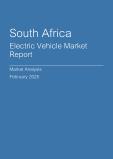
Executive Summary: Electric Vehicle South Africa Market in 2024 Q4
In the fourth quarter of 2024, South Africa's electric vehicle (EV) market is positioned for significant developments driven by local manufacturing initiatives, renewable energy integration, and evolving consumer preferences. This executive summary highlights the major trends, challenges, and strategic movements shaping the EV landscape in South Africa, with a focus on market growth, policy implications, and the competitive landscape.
Local Manufacturing and Strategic Expansion
South Africa is enhancing its role as a key player in the EV industry by developing local manufacturing capabilities, leveraging its abundant mineral resources. These efforts are aligned with government policies that support renewable energy and EV adoption, aiming to establish a comprehensive EV value chain. This initiative is expected to not only boost local economic growth through job creation but also position South Africa as a leader in the African EV market.
Renewable Energy and EV Charging Infrastructure Developments
The integration of renewable energy into South Africa's electricity grid is pivotal for the sustainability of electric vehicles. The country is expanding its charging infrastructure, driven by partnerships between public entities and private companies. The government's commitment to renewable energy and the establishment of EV charging stations are critical for reducing range anxiety and enhancing consumer confidence, contributing to the overall growth of the EV market.
Consumer Preferences and Market Adoption Trends
South African consumers are showing increased interest in electric vehicles, influenced by environmental concerns and government incentives. The passenger EV market is witnessing growth, marked by consumer demand for models with extended range and advanced features. However, challenges remain, including the need for more extensive charging infrastructure and addressing power supply issues to sustain this growth trajectory.
Government Policies and Incentives for Electric Vehicles
Government support plays a crucial role in driving EV adoption in South Africa. Policies include tax incentives for EV purchases and investments in charging infrastructure. Despite these efforts, high upfront costs and limited charging infrastructure pose barriers to widespread adoption. Strategic modifications to existing policies could enhance market growth and consumer adoption rates.
Competitive Landscape: Key Players in South Africa's EV Market
Major automakers such as Tesla, BMW, BYD, Nissan, and Volkswagen are actively pursuing strategic initiatives to capture market share in South Africa. These companies are focusing on expanding their electric vehicle offerings, leveraging local production, and forming strategic partnerships to enhance their competitive position. The competitive landscape is shaped by innovation in battery technology and efforts to align with sustainability goals.
Impact of Economic Context on EV Market
South Africa's economic conditions, including a contraction in GDP and changes in unemployment rates, influence consumer purchasing power and market dynamics. The reduction in interest rates and inflation presents opportunities for increased EV adoption, although economic challenges may temper consumer confidence.
Questions Addressed in the Report
- What are the key trends driving the growth of electric vehicles in South Africa?
- How is the integration of renewable energy impacting the sustainability of electric vehicles?
- What are the consumer preferences and adoption trends for EVs in South Africa?
- How are government policies and incentives shaping the EV market?
- Which automakers are leading the competitive landscape in South Africa's EV market?
- What are the challenges and opportunities in the development of EV charging infrastructure?
- How do economic conditions affect the electric vehicle market in South Africa?