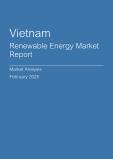
Executive Summary: Renewable Energy in Vietnam - 2024 Q4
The fourth quarter of 2024 marks a pivotal period for Vietnam's renewable energy sector, characterized by significant advancements and strategic initiatives aimed at promoting sustainable energy solutions. This executive summary highlights key developments in offshore wind, solar energy, and other renewable sectors in Vietnam, reflecting both domestic and international efforts to drive the country's energy transition and economic growth.
Offshore Wind Energy: A Strategic Priority
Vietnam's offshore wind energy sector is poised for substantial growth, with strategic projects spearheaded by the Vietnam Oil and Gas Group (PVN) in regions like Binh Thuan and Ninh Thuan. These initiatives align with Vietnam's Power Development Plan 8 (PDP8), targeting 6 GW of offshore wind capacity by 2030. International partnerships and foreign direct investments are expected to play a crucial role in overcoming technological and financial challenges, positioning Vietnam as a leader in offshore wind energy in Southeast Asia.
Solar Energy Expansion and Market Dynamics
Vietnam continues to lead in solar energy development, with the implementation of the Direct Power Purchase Agreement (DPPA) mechanism in July 2024. This regulatory framework allows large corporate consumers to directly purchase electricity from renewable sources, thereby attracting significant foreign investment. The positive sentiment from European businesses towards Vietnam's solar projects is anticipated to further boost the sector, despite challenges posed by U.S. duties on Vietnamese solar cells.
Public-Private Partnerships and International Collaborations
Public-private partnerships, especially with the European Union, are crucial for Vietnam's green transition. Collaborative efforts in finance, technology transfer, and the burgeoning carbon credit market are set to enhance Vietnam's renewable energy infrastructure. Initiatives such as the collaboration between Lootah Biofuels and SAVICO Group underscore the importance of international expertise in advancing Vietnam's capabilities in renewable energy.
Innovation and Financing in Renewable Energy
Innovative financing models like Solarvest's Powervest initiative are pivotal in supporting solar energy adoption in Vietnam. These programs alleviate upfront costs, enabling businesses, particularly SMEs, to transition to renewable energy. Additionally, the integration of ESG criteria by Vietnamese financial institutions is driving investment in green projects, aligning with Vietnam's national energy goals.
Regulatory and Economic Context
Recent amendments to Vietnam's Electricity Law and the enactment of the DPPA Decree are significant regulatory developments that enhance the investment climate for renewables. Vietnam's robust GDP growth, driven by the industrial and construction sectors, complements its renewable energy expansion goals. However, inflationary pressures and global economic uncertainties pose challenges that may affect consumer purchasing power and investment dynamics.
Key Questions Addressed in the Report
- What are the strategic priorities for Vietnam's offshore wind energy sector?
- How is the DPPA mechanism influencing foreign investment in Vietnam's solar energy market?
- What role do public-private partnerships play in Vietnam's renewable energy growth?
- How are innovative financing models impacting solar energy adoption in Vietnam?
- What are the implications of recent regulatory changes on Vietnam's renewable energy sector?
This report provides a comprehensive analysis of the renewable energy landscape in Vietnam, offering insights into the country's strategic direction and the market dynamics shaping its energy transition. The focus on offshore wind, solar energy, public-private partnerships, and regulatory frameworks highlights Vietnam's commitment to becoming a regional leader in renewable energy.