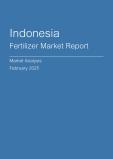
Executive Summary: Fertilizer Market in Indonesia - Q4 2024
The fertilizer market in Indonesia during the fourth quarter of 2024 is navigating a complex landscape shaped by both domestic and international influences. Key growth drivers include robust demand from the agricultural sector, driven by the country's focus on enhancing food security and agricultural productivity. Government support through subsidies and foreign direct investment (FDI) is crucial in maintaining this momentum, with an 18.55% increase in FDI during Q3 2024 significantly boosting production capabilities.
Market Dynamics and Growth Drivers
Indonesia's fertilizer industry is experiencing growth fueled by technological advancements and governmental policies aimed at improving agricultural efficiency. However, challenges arise from global supply chain disruptions and economic factors like the impending VAT increase to 12% in 2025, which could affect fertilizer prices and affordability for farmers. The Comprehensive Economic Partnership Agreement (CEPA) with Canada is a strategic move to stabilize supply chains and reduce costs, impacting both organic and inorganic fertilizers.
Impact of Global Supply Chain Disruptions
Supply chain disruptions have led to increased fertilizer import costs, with the rupiah's depreciation adding further pressure. The government's strategic measures, including diversifying supply sources and enhancing local production, are pivotal in addressing these challenges. The CEPA with Canada is expected to provide more stable access to fertilizers, particularly nitrogen and phosphate fertilizers, by reducing dependency on traditional suppliers.
Segment Highlights: Urea and Nitrogen Fertilizers
The urea and nitrogen fertilizer segment remains critical, supported by domestic production from key players like Pupuk Indonesia (Persero) and international collaborations. Demand is driven by government policies and subsidy programs, although challenges such as higher biodiesel mandates may impact palm oil production and fertilizer availability.
Organic vs. Inorganic Fertilizers
The market displays a dynamic interplay between organic and inorganic fertilizers, influenced by environmental considerations and consumer preferences. While inorganic fertilizers dominate due to their cost-effectiveness, there is a gradual shift towards organic alternatives, driven by sustainability goals and government campaigns like 'Go Organic'.
Specialty Fertilizers and Innovations
Specialty fertilizers, including biofertilizers and slow-release fertilizers, are gaining traction due to their role in enhancing nutrient efficiency and promoting sustainable farming practices. Innovations in this segment, supported by government initiatives and international collaborations, are expected to propel market growth.
Technological Advancements in Fertilizer Production
Technological advancements in slow-release and biofertilizer technologies are enhancing production efficiency and reducing environmental impact. Companies like Pupuk Indonesia are at the forefront of these innovations, supported by government policies encouraging sustainable agricultural practices.
Regulatory Environment and Government Policies
Government policies, including subsidies for inorganic fertilizers and the anticipated VAT increase, play a crucial role in shaping the market dynamics. The focus remains on balancing fiscal measures with support for agricultural productivity to ensure food security and economic stability.
Questions the Report Answers
- What are the key growth drivers and challenges in Indonesia's fertilizer market for Q4 2024?
- How are global supply chain disruptions impacting fertilizer availability and pricing in Indonesia?
- What role do government policies and subsidies play in the fertilizer market dynamics?
- How is the demand for urea and nitrogen fertilizers evolving in Indonesia?
- What are the trends and influences in the organic versus inorganic fertilizer market?
- How are specialty fertilizers and technological advancements shaping the market?
- What are the implications of the CEPA with Canada on Indonesia's fertilizer market?
- How do economic conditions and currency fluctuations influence fertilizer import costs?