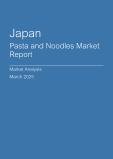
Executive Summary: Key Insights into Japan's Pasta and Noodles Market in Q4 2024
Growth and Trends in Japan's Pasta and Noodles Market
The Japan pasta and noodles market in Q4 2024 is characterized by significant shifts driven by consumer preferences, economic conditions, and innovation. The instant noodles segment continues to thrive, with a strong demand for convenient and affordable meal options, underscoring the market's resilience amid inflationary pressures. Key players like Nissin Foods have leveraged product diversification and innovation to maintain market dominance. This includes expanding product lines to offer health-oriented options, such as gluten-free, organic, and low-carb noodles, catering to the health-conscious consumer segment.
Impact of Economic Factors on Consumer Behavior
Economic conditions in Japan, marked by inflation and stagnant wage growth, have heightened consumer price sensitivity, influencing purchasing decisions in the pasta and noodles market. The preference for budget-friendly options, notably instant noodles, has increased, reflecting the economic pressures on households. Simultaneously, the premium segment continues to grow, driven by consumers seeking quality and health benefits, despite economic constraints.
Cultural Preferences and Market Dynamics
Traditional Japanese noodles, such as soba and udon, maintain strong demand due to their cultural significance and affordability compared to imported pasta. These preferences are further reinforced by economic conditions that favor locally produced products. This cultural affinity, coupled with economic necessity, shapes the market dynamics, with potential growth in the premium and health-oriented segments.
Distribution Channels: Supermarkets, Online, and Specialty Stores
The distribution of pasta and noodles in Japan is dominated by supermarkets, which offer a wide range of products from economy to premium. Online platforms are gaining traction, especially among younger consumers, driven by the convenience of e-commerce. Specialty stores, although niche, contribute to the visibility of premium and specialty pasta products, catering to consumers willing to pay a premium for unique or health-conscious options.
Innovation and Product Development
Product innovation in Japan's pasta and noodles market is robust, with companies introducing new flavors and health-oriented additives. The focus on regional flavors and health-enhancing ingredients aligns with consumer trends towards health and wellness. Technological advancements in production efficiency, such as automation and AI, further support innovation, allowing manufacturers to adapt quickly to changing market demands.
Regulatory and Sustainability Impacts
New food safety and quality regulations have prompted companies to enhance production processes to comply with stringent standards, impacting production costs. Additionally, sustainability policies are driving innovation in packaging and production practices, with companies adopting eco-friendly solutions to meet regulatory requirements and consumer demand for sustainable products.
Questions the Report Answers
- What are the current trends in Japan's pasta and noodles market?
- How are economic conditions affecting consumer behavior and market dynamics?
- What role do cultural preferences play in the demand for traditional noodles?
- How are distribution channels like supermarkets, online platforms, and specialty stores evolving?
- What innovations are driving product development in the pasta and noodles market?
- What impact do new regulations and sustainability policies have on the industry?