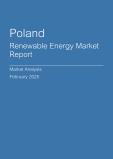
Executive Summary of Renewable Energy in Poland - 2024 Q4
Overview of Poland's Renewable Energy Transition
As of the fourth quarter of 2024, Poland is undergoing a significant shift from coal dependency to renewable energy. This transformation is driven by strategic policy changes, economic incentives, and the need to meet European Union (EU) climate targets. The Polish government, alongside leading energy companies like Tauron and PGE, is investing heavily in wind and solar energy projects. Notable developments include the Bałtyk offshore wind farms, indicating a strong commitment to diversify energy sources and enhance energy security.
Industry Trends and Market Overview
Poland's renewable energy market is poised for substantial growth. The transition from coal to renewables is supported by EU climate frameworks and national policies aimed at increasing renewable energy's share in the energy mix. Wind, particularly offshore wind, and solar energy are leading the charge, supported by technological advancements and decreasing costs. The Bałtyk offshore wind project and new solar farms in regions like Mazowieckie and Wielkopolskie are pivotal in driving this growth.
Growth Trajectory of Solar and Wind Energy
In Q4 2024, Poland's solar and wind sectors continue to expand, supported by strategic investments and EU funding. The government's focus on large-scale renewable projects is evident in the development of the Bałtyk offshore wind farms and numerous solar initiatives. These projects are crucial for Poland to meet the EU's renewable energy target of 45% by 2030, reducing reliance on coal and fostering job creation in emerging sectors.
Energy Storage and Technological Innovations
Energy storage solutions are becoming increasingly integral to Poland's renewable energy infrastructure. As the country moves away from coal, innovations in battery storage and grid integration are essential for maintaining energy reliability. Key players like Tauron and Enea are investing in advanced storage technologies, supported by EU funding, which is critical for the seamless integration of renewable sources into the national grid.
Regulatory Environment and Policies
The regulatory framework in Poland is evolving to support the renewable energy transition. The EU Renewable Energy Directive mandates a significant increase in the renewable energy share, influencing national policies to phase out coal and invest in renewables. This regulatory shift provides opportunities for investment and innovation, although challenges remain in aligning Poland's historical reliance on coal with new sustainability goals.
Competitive Landscape
The competitive landscape in Poland's renewable energy sector is dynamic, with key players like Polenergia, Iberdrola, Vestas Wind Systems, and Orsted actively expanding their presence. These companies are leveraging strategic partnerships and investing in innovative technologies to enhance their market position and contribute to Poland's renewable energy objectives.
Impact of Economic Context on Renewable Energy Investments
Poland's stable GDP growth and interest rate environment foster a conducive investment climate for renewable energy projects. However, increased defense spending poses a potential challenge, necessitating alternative financing methods to sustain momentum in the renewable sector.
Key Questions Addressed in the Report
- What are the major drivers and trends in Poland's renewable energy market?
- How is the transition from coal to renewable energy impacting Poland's energy landscape?
- What are the growth prospects for solar and wind energy in Poland?
- How are technological innovations influencing the renewable energy sector in Poland?
- What regulatory changes are affecting Poland's renewable energy policies?
- Which companies are leading the renewable energy market in Poland, and what are their strategies?
- How does Poland's economic context impact renewable energy investments?