Electric Vehicle

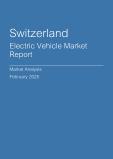
Switzerland Electric Vehicle Market Report- Q4 2024

Overview of the Electric Vehicle Market in Switzerland - Q4 2024

In the fourth quarter of 2024, the electric vehicle (EV) market in Switzerland is experiencing significant growth, with registrations expected to reach 98.19 thousand units. This growth is driven by robust consumer adoption, favorable economic conditions, and substantial investments in charging infrastructure. The market continues to expand, supported by technological advancements and governmental incentives aimed at reducing carbon emissions.

Key Market Segments Impacting the Swiss EV Industry

Passenger and Commercial Electric Vehicles

The passenger electric vehicle segment in Switzerland is witnessing significant interest, highlighted by the performance of models like the Volkswagen ID.7 Pro S, which boasts an exceptional range. The commercial vehicle sector is similarly poised for growth, supported by the expansion of charging infrastructure, with companies such as Landis+Gyr playing a crucial role in this development.

Electric Two-Wheelers and Heavy-Duty Vehicles

While smaller in market share, electric two-wheelers and heavy-duty vehicles present emerging trends in the Swiss EV landscape. Urbanization and the need for efficient personal transportation drive interest in electric two-wheelers, whereas heavy-duty vehicle adoption is bolstered by government incentives aimed at reducing emissions from commercial transportation.

Charging Infrastructure and Technological Advancements

The expansion of charging infrastructure is pivotal to the Swiss EV market's growth. Companies like Landis+Gyr are introducing scalable DC fast chargers, crucial for overcoming range anxiety among EV users. Additionally, innovations in battery technology, as exemplified by the Volkswagen ID.7 Pro S's range, are setting new benchmarks in the market.

Economic and Regulatory Influences on EV Adoption in Switzerland

Switzerland's favorable economic conditions, characterized by low inflation and interest rates, enhance consumer purchasing power and make EV financing more accessible. Government policies and incentives continue to shape market dynamics, supporting the transition to electric mobility through financial incentives and infrastructure development.

Competitor Analysis in the Swiss Electric Vehicle Market

Key players in the Swiss EV market, including Tesla, Volkswagen, and BMW, are actively expanding their presence and product offerings to cater to the growing demand for electric vehicles. Strategic partnerships and technological innovations are central to maintaining competitiveness and driving growth in the region.

Strategic Partnerships and Innovations

Collaborations, such as those between automakers and technology providers, are critical in advancing battery technology and energy management systems. These partnerships enhance the market's ability to meet consumer demand and sustain growth amid increasing competition.

Questions This Report Answers

  • What are the current trends in the electric vehicle market in Switzerland for Q4 2024?
  • How is the passenger and commercial EV segment developing in Switzerland?
  • What role do electric two-wheelers and heavy-duty vehicles play in the Swiss EV market?
  • How is charging infrastructure expanding to support EV adoption in Switzerland?
  • What technological advancements are influencing the Swiss EV market?
  • How do economic conditions and government policies impact EV purchasing decisions in Switzerland?
  • Which companies are leading in the Swiss EV market, and what strategies are they employing?
  • What are the primary challenges and opportunities facing the Swiss EV industry?
Latest reports

 US Electric Vehicle Market Report- Q4 2024

US Electric Vehicle Market Report- Q4 2024

The fourth quarter of 2024 marked a significant period for the Electric Vehicle (EV) market in the United States, characterized by robust growth...

 China Electric Vehicle Market Report- Q4 2024

China Electric Vehicle Market Report- Q4 2024

In the fourth quarter of 2024, China's electric vehicle (EV) market continued to dominate the global landscape, capturing an unprecedented 76% of market...

 Japan Electric Vehicle Market Report- Q4 2024

Japan Electric Vehicle Market Report- Q4 2024

Japan's electric vehicle (EV) market experienced significant momentum in Q4 2024, driven by advancements in technology, strategic partnerships, and supportive government policies. The...

 Germany Electric Vehicle Market Report- Q4 2024

Germany Electric Vehicle Market Report- Q4 2024

The German electric vehicle (EV) market is experiencing significant transformations as it navigates various economic and regulatory challenges. Despite a slight economic downturn...

 India Electric Vehicle Market Report- Q4 2024

India Electric Vehicle Market Report- Q4 2024

In the fourth quarter of 2024, the electric vehicle market in India experienced dynamic growth, fueled by advancements in battery technology, increased consumer...

 UK Electric Vehicle Market Report- Q4 2024

UK Electric Vehicle Market Report- Q4 2024

The fourth quarter of 2024 marked a pivotal period for the UK electric vehicle (EV) market, characterized by robust growth in battery electric...

 France Electric Vehicle Market Report- Q4 2024

France Electric Vehicle Market Report- Q4 2024

The fourth quarter of 2024 witnessed significant developments in the Electric Vehicle (EV) market in France, characterized by dynamic changes driven by consumer...

 Canada Electric Vehicle Market Report- Q4 2024

Canada Electric Vehicle Market Report- Q4 2024

The electric vehicle (EV) market in Canada continues to experience significant growth in Q4 2024, driven by advancements in technology, strategic government incentives,...

 Brazil Electric Vehicle Market Report- Q4 2024

Brazil Electric Vehicle Market Report- Q4 2024

The electric vehicle (EV) market in Brazil during the fourth quarter of 2024 experienced notable growth across various segments, driven by increased urban...

 Italy Electric Vehicle Market Report- Q4 2024

Italy Electric Vehicle Market Report- Q4 2024

The electric vehicle (EV) market in Italy during the fourth quarter of 2024 is characterized by a mix of challenges and opportunities, primarily...

 South Korea Electric Vehicle Market Report- Q1 2025

South Korea Electric Vehicle Market Report- Q1 2025

<h2>Executive Summary: Electric Vehicle Market in South Korea Q1 2025</h2> <p>In the first quarter of 2025, South Korea's electric vehicle (EV) market experienced significant developments across various segments, driven by competitive dynamics, technological advancements, and government policies. The market landscape was characterized by intensified competition among domestic and international players, with companies like Hyundai, Kia, and international entrants like BYD actively shaping market trends. This period was pivotal in setting the stage for future growth and challenges in South Korea's EV industry.</p> <h3>Competitive Dynamics in the EV Market</h3> <p>Hyundai and Kia maintained their leadership in the South Korean EV market by diversifying their product offerings and integrating cutting-edge technologies. Hyundai's strategic push into hydrogen technology and partnerships for advanced battery development positioned them at the forefront of eco-friendly innovations. Kia's strategic expansions into electric commercial vehicles and the integration of smart technologies highlighted its commitment to innovation and market adaptation.</p> <p>International competitors, notably BYD, have adopted aggressive pricing strategies to penetrate the South Korean market, challenging local manufacturers to innovate and compete effectively. This competitive pressure necessitated strategic adaptations from Hyundai and Kia, emphasizing the critical role of pricing, product diversity, and innovation.</p> <h3>Technological Innovations and Infrastructure Developments</h3> <p>Significant technological advancements were made by South Korean companies in EV battery technology and autonomous driving capabilities. LG Energy Solution and Samsung SDI led these innovations, focusing on high-energy-density batteries and autonomous vehicle technologies. These advancements are crucial for extending the range and performance of electric vehicles, thus enhancing consumer appeal.</p> <p>Moreover, the expansion of EV charging infrastructure was a key focus, with the South Korean government and private sectors investing in fast-charging stations across urban centers and highways. This development is crucial in addressing range anxiety, a major barrier to EV adoption, and supporting the anticipated increase in EV demand.</p> <h3>Government Incentives and Regulatory Impact</h3> <p>The South Korean government played a pivotal role in supporting the EV market through targeted incentives and policies. Subsidies for young EV buyers and toll exemptions are significant measures designed to stimulate domestic demand and support local manufacturers. These incentives are part of a broader strategy to enhance market penetration and align with environmental sustainability goals.</p> <p>However, international trade policies, particularly U.S. tariffs, posed challenges to South Korean automakers, impacting their export strategies and necessitating a focus on domestic market resilience and innovation.</p> <h3>Segment Highlights: Passenger and Commercial Electric Vehicles</h3> <p>The passenger electric vehicle segment saw notable growth with new model introductions, supported by government incentives and changing consumer preferences towards sustainable mobility. Despite a slight dip in total sales, strategic initiatives by local players and favorable policies are expected to drive demand in future quarters.</p> <p>In the commercial vehicle segment, the focus on electrifying public transport and logistics was evident, though challenges in infrastructure and initial costs remain. Government incentives for electric buses and trucks are anticipated to spur growth and adoption in this segment.</p> <h3>Emergence of Electric Two-Wheelers and Micromobility</h3> <p>The electric two-wheeler segment gained traction, fueled by urban mobility trends and environmental consciousness among consumers. The expansion of this segment is supported by infrastructure developments like dedicated bike lanes and charging stations, making electric scooters and bikes a viable option for short-distance urban travel.</p> <h3>Questions the Report Answers</h3> <ul> <li>How are domestic and international competitors impacting the South Korean EV market?</li> <li>What technological advancements are driving the growth of the EV industry in South Korea?</li> <li>How do government incentives and policies influence consumer behavior and market trends?</li> <li>What are the key challenges and opportunities in the passenger and commercial EV segments?</li> <li>How is the development of EV charging infrastructure supporting market expansion?</li> <li>What role do electric two-wheelers and micromobility play in South Korea's urban transport landscape?</li> </ul> <p>The comprehensive analysis of these elements provides a nuanced understanding of the current dynamics and future prospects of the electric vehicle market in South Korea, emphasizing the critical factors influencing its growth and development in Q1 2025.</p>

Top Countries about Electric Vehicle