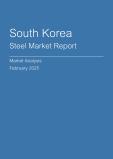
Overview of the Steel Industry in South Korea in Q4 2024
The fourth quarter of 2024 presents a complex landscape for the steel industry in South Korea, marked by both challenges and opportunities. Major players like POSCO and Hyundai Steel are navigating an environment characterized by global competition, regulatory constraints, and economic uncertainties. The depreciation of the South Korean won enhances export competitiveness, yet it simultaneously increases the cost of imported raw materials, impacting profit margins.
Key Trends in the South Korean Steel Market
South Korean steelmakers are focusing on technological advancements and strategic partnerships to maintain a competitive edge. The adoption of Industry 4.0 technologies, such as AI and smart manufacturing, is enhancing operational efficiency and product quality. Sustainability initiatives, including carbon capture and eco-friendly steel production, are becoming integral to align with global standards and national carbon neutrality goals.
Impact of Construction and Infrastructure on Steel Demand
Government infrastructure projects continue to drive steel demand, notably in the expansion of transportation networks and urban development initiatives. However, a slowdown in residential construction, driven by rising interest rates and regulatory measures to cool the real estate market, moderates overall demand. The shift towards sustainable construction practices is increasing the demand for advanced high-strength steel products.
Automotive Industry's Influence on Steel Demand
The transformation of South Korea's automotive industry towards electric vehicle production is reshaping steel demand. The need for lightweight and high-strength steel, such as advanced high-strength steel (AHSS), is crucial for improving vehicle safety and efficiency. This trend is expected to sustain demand as the global push for green transportation intensifies.
Steel's Role in the Energy Sector
South Korea's energy sector, particularly in oil, gas, and renewable energy projects, is a significant driver of steel demand. The construction of wind turbine towers and solar panel supports necessitates high-performance steel. Additionally, the emerging hydrogen economy is poised to further increase the demand for specialized steel products.
Consumer Preferences and Market Challenges
Consumer preferences are shifting towards sustainable and high-performance steel products, influenced by environmental consciousness and technological advancements. However, supply chain challenges, including raw material availability and logistics disruptions, pose significant hurdles for steelmakers. Strategic adjustments in procurement and pricing strategies are essential to navigate these complexities.
Questions Addressed in the Report
- What are the major challenges and opportunities faced by the South Korean steel industry in Q4 2024?
- How are regulatory and economic factors impacting steel production and demand?
- What role do technological advancements play in the steel industry's competitiveness?
- How is the demand for steel evolving in key sectors such as construction, automotive, and energy?
- What strategies are South Korean steelmakers adopting to address supply chain challenges?