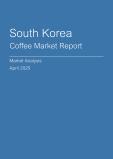
South Korea Coffee Market Dynamics in Q1 2025
In the first quarter of 2025, the coffee market in South Korea faced significant shifts influenced by various economic factors and consumer trends. As a country with a vibrant coffee culture, South Korea's market dynamics were shaped by both domestic and international developments. The sector experienced pressures from rising coffee prices, driven by global economic conditions and local currency fluctuations, impacting consumer behavior and market share distribution among coffee providers. Major coffee chains, such as Starbucks, implemented price hikes, prompting consumers to seek more affordable options, including local coffee shops and home-brewing solutions.
Impact of Coffee Pricing on Consumer Behavior
The price increases by major coffee chains, notably Starbucks, significantly affected consumer behavior in South Korea. With the cost of a Tall Americano rising to 4,700 won, consumers displayed increased price sensitivity, resulting in a shift towards more affordable alternatives. This trend suggests a potential redistribution of market share from established brands to local coffee providers and home-brewing options. As inflationary pressures and the weakening Korean won continue to influence coffee prices, industry stakeholders must adapt by exploring cost-effective solutions and diversifying offerings to retain consumer interest.
International Trade and Coffee Imports in South Korea
South Korea's role in the global coffee trade remains pivotal, with strong import activities from key coffee-producing countries like Ethiopia and Kenya. The nation's strategic import partnerships have helped buffer against global supply disruptions, ensuring a steady supply chain despite geopolitical and economic challenges. However, potential tariff threats, particularly from the U.S., pose risks to South Korean importers, potentially affecting pricing strategies and consumer demand. Maintaining diversified import sources and strong international partnerships is crucial for navigating these complexities in the global coffee market.
Technological Advancements and Coffee Retail Innovations
Technological advancements in coffee processing and retail have played a crucial role in enhancing efficiency and customer experience in South Korea. Major players like Starbucks have integrated AI-driven coffee machines and enhanced mobile app features to streamline operations and cater to tech-savvy consumers. These innovations are essential in a competitive landscape, where efficiency and customer satisfaction are key to maintaining market share. As technology continues to evolve, further developments in automation and personalized consumer experiences are expected to shape the future of coffee retail in South Korea.
Consumer Preferences and Coffee Consumption Trends
The cultural influence of K-pop and Korean dramas continues to shape coffee consumption patterns among South Korean youth. This demographic shows a preference for trendy and customizable coffee offerings, aligning with their dynamic lifestyles. The presence of coffee in social media and popular culture further cements its role in daily life, driving sustained demand despite economic pressures. Coffee brands are increasingly leveraging cultural trends to tailor marketing strategies and capture the attention of the youth market, ensuring continued growth and engagement.
Sustainability and Fair Trade in South Korea's Coffee Market
There is an increasing emphasis on sustainability and fair trade within the South Korean coffee market, driven by consumer demand for eco-friendly products. Companies like Starbucks and Ediya Coffee are committing to ethical sourcing and environmentally friendly practices, reflecting a broader industry trend towards sustainability. This focus not only enhances brand loyalty but also aligns with global standards, which is crucial for maintaining competitiveness in the international coffee market.
Key Questions Addressed in the Report
- How have price increases by major coffee chains impacted consumer behavior and market dynamics in South Korea?
- What role does South Korea play in the global coffee trade, and how are international trade dynamics affecting the local market?
- In what ways are technological advancements transforming the coffee retail sector in South Korea?
- How do cultural influences affect coffee consumption patterns among South Korean youth?
- What sustainability and fair trade initiatives are shaping the South Korean coffee market?
- How are geopolitical tensions and trade policies influencing coffee pricing strategies in South Korea?