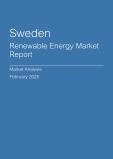
Executive Summary: Sweden Renewable Energy Market Report - Q4 2024
The fourth quarter of 2024 has been a transformative period for the renewable energy market in Sweden. With substantial investments and strategic projects, Sweden continues to advance its position as a leader in renewable energy, focusing on sustainability, technological innovation, and regulatory support.
Key Developments in Sweden's Renewable Energy Market
Significant Expansion in Solar and Photovoltaic Projects
Q4 2024 has seen remarkable growth in solar energy infrastructure, highlighted by the commissioning of the Lidköping and Studsvik solar parks. These projects are pivotal to Sweden's goal of increasing renewable energy's share in its electricity production, showcasing Better Energy's commitment to solar energy integration. Additionally, advancements in printed organic solar cells by Epishine offer new opportunities for energy harvesting in urban environments, driving further growth in residential solar markets.
Wind Energy Projects and Strategic Partnerships
Sweden's wind energy sector has been a focal point this quarter, with Vestas securing a 224 MW order for the Vinliden and Fjällberg wind projects. Despite challenges such as the cancellation of 13 offshore wind projects due to national defense concerns, the sector remains robust with strategic partnerships like those with TotalEnergies and European Energy. These initiatives are essential for diversifying Sweden's energy portfolio and enhancing grid stability.
Innovations in Renewable Energy Storage
Energy storage solutions have advanced significantly, with Ingrid Capacity commencing the design phase for a 100-MW/200-MWh battery energy storage system in Karlshamn. This project is vital for supporting the integration of intermittent renewable sources, ensuring grid stability and enhancing the overall efficiency of renewable energy adoption in Sweden.
Biogas and Biomass Energy Developments
The biogas sector has seen substantial growth, driven by Lantmännen's new biogas division and Biokraft International AB's expansions. These endeavors underscore biogas's role in Sweden's renewable energy strategy, turning agricultural and food industry residues into valuable energy sources and biofertilizers.
Regulatory Support and Policy Frameworks
New regulatory changes have been introduced, focusing on the safety and efficiency of energy storage systems. The Swedish Solar Energy Federation's guidelines for battery storage are crucial for facilitating broader adoption of renewable technologies. Meanwhile, government policies continue to promote renewable energy integration through funding programs and strategic partnerships.
Technological Advancements and Hybrid Energy Platforms
Technological innovation remains a driving force in Sweden's renewable energy market. NoviOcean's hybrid energy platform, which integrates wind, solar, and wave energy, represents a significant advancement in diversifying and stabilizing energy production. Such innovations are expected to attract increased investment and support Sweden's energy transition strategy.
Questions the Report Aims to Answer
- What are the major renewable energy projects and developments in Sweden during Q4 2024?
- How are solar and wind energy sectors contributing to Sweden's renewable energy goals?
- What innovations are shaping the renewable energy landscape in Sweden?
- How do regulatory changes impact the adoption of renewable energy technologies?
- What role do strategic partnerships play in advancing Sweden's renewable energy market?
- How are energy storage solutions enhancing grid stability and integration of renewable sources?
- What are the economic and policy drivers influencing Sweden's renewable energy sector?