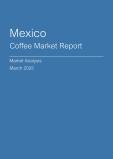
Executive Summary: Coffee Market in Mexico - Q4 2024
The coffee market in Mexico during the fourth quarter of 2024 showcased significant trends and developments across various segments, reflecting both challenges and opportunities. This summary highlights the key areas of growth and transformation within the Mexican coffee industry, focusing on production dynamics, consumer preferences, retail and wholesale market shifts, and strategic competitive movements.
Key Trends in Coffee Production and Supply Chain in Mexico
The coffee production sector in Mexico experienced fluctuations due to climatic challenges and pest issues, with slight recovery noted as producers adopt advanced technological solutions. Innovations like precision agriculture and sustainable practices are becoming more prevalent, aiming to enhance yield efficiency and reduce environmental impact. Despite these efforts, the production volume remains under pressure from both domestic and global market dynamics.
Consumer Preferences Shifting Toward Fresh Ground Coffee
Consumer preferences in Mexico are increasingly shifting towards fresh ground coffee, driven by a growing appreciation for quality and flavor. This trend is evident in retail sales, where fresh ground coffee is gaining market share at the expense of instant varieties. The rise of coffee culture and the demand for artisanal and specialty products further propel this shift, encouraging retailers to expand their offerings to meet consumer expectations.
Retail and Wholesale Developments in the Coffee Market
Retail sales of coffee in Mexico are being transformed by the increasing prevalence of coffee vending machines, particularly in urban environments like office buildings and transport hubs. These machines cater to the demand for convenience and high-quality, freshly brewed coffee. On the wholesale front, strategic investments in supply chain optimization and market diversification are crucial for maintaining competitiveness amidst evolving consumer preferences and economic conditions.
Challenges and Opportunities in Pricing and Costs
The coffee market in Mexico faces significant challenges related to pricing and costs due to inflationary pressures and exchange rate fluctuations. While the depreciation of the Mexican peso enhances export competitiveness, it also raises import costs for production inputs, affecting overall profitability. Producers are exploring strategic pricing adaptations and cost management strategies to navigate these complexities and sustain market growth.
Competitive Landscape and Strategic Movements
Major players in the Mexican coffee market are actively engaging in strategic partnerships and technological innovations to enhance their market position. Companies like Nestlé and Starbucks are implementing supply chain optimizations and digital transformations to bolster growth, while JDE Peet's and Grupo Bimbo pursue international expansions and acquisitions to strengthen their foothold. Keurig Dr Pepper, despite facing financial challenges, is focusing on sustainable product innovations to capture market share.
Questions Addressed in the Report
- What are the current trends and innovations in the coffee market in Mexico?
- How are consumer preferences shifting in the Mexican coffee retail sector?
- What impact do supply chain optimizations have on the coffee industry in Mexico?
- How are pricing and cost challenges being addressed by coffee producers?
- What strategic movements are major coffee companies making in the Mexican market?
- How is the coffee production sector in Mexico adapting to climatic and market challenges?